June 25, 2025
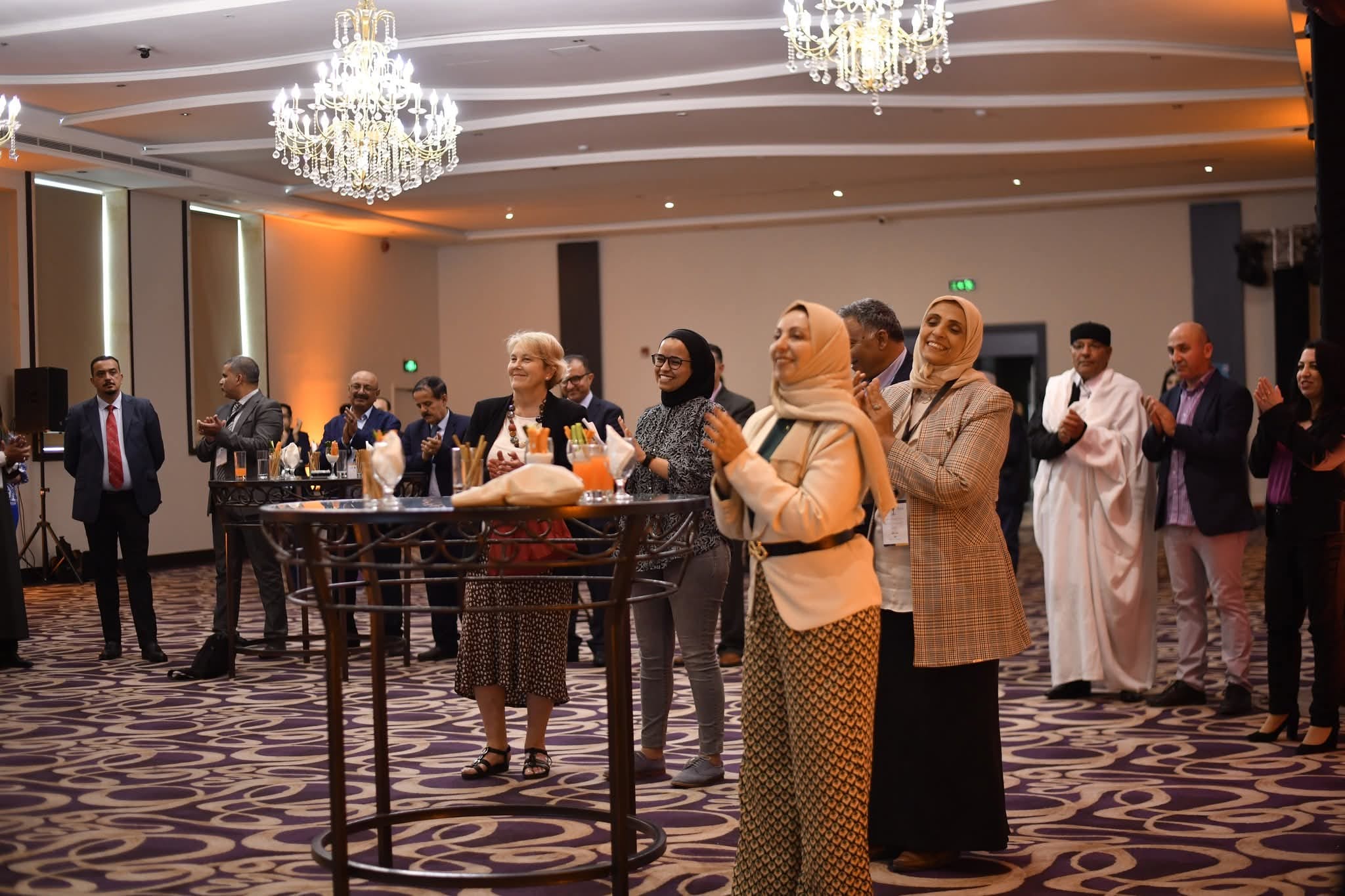
In May 2023, the Salam Institute for Peace and Justice, in collaboration with Hayat Center-RASED, Jordan, launched the first regional network for reconciliation and forgiveness in the Arab Region. The network aims to capitalize on existing efforts, and provide a hub to exchange knowledge, lessons learned, build capacities, and foster cooperation in promoting reconciliation in the Arab region.
The network now has: 35 members, from 11 Arab countries: Iraq, Jordan, Lebanon, Libya, Morocco, Palestine, Qatar, Sudan, Syria, Tunisia, Yemen. The network includes 26 organization and 8 independent members, 23 of them are men and 11 of them are women.
The Network’s goals:
- Build and enhance the capacities of members to promote reconciliation and forgiveness in their communities and the Arab region.
- Increase networking and knowledge exchange among members to enhance their role in democratic societies.
- Utilize the resources of network members, including social capital and relationships with decision-makers, to advance reconciliation during crises and conflicts.
- Establish a platform for cooperation and joint initiatives to promote reconciliation and forgiveness at national and regional levels.
- Raise awareness of the importance of reconciliation and forgiveness in conflict-ridden Arab communities.
- Create a common space for experts and researchers to share concepts, tools, and action plans.
- Coordinate between local, regional, and international institutions working in the field.
- Bridge the gap between policymakers, activists, and technical experts in reconciliation and forgiveness.
- Enhance legislation supporting reconciliation and forgiveness in diverse Arab communities.
Reconciliation and Democracy
- Promoting reconciliation enhances culture of democracy through various facets:
Inclusivity and Participation: Reconciliation promotes inclusivity bringing together diverse groups and factions. In the transformation to a democratic state, inclusivity aligns with democratic principles of equal participation, ensuring all voices are heard.
- Rule of Law and Justice: Reconciliation often involves addressing past injustices. In a democratic setting, the rule of law is fundamental to ensure mechanisms for accountability and justice aligning with democratic values equalizing citizens under the same legal principles.
- Conflict Prevention: Addressing the root causes of conflict through reconciliation helps prevent future conflicts. In a democratic state, where political power is typically transferred peacefully through elections, preventing conflicts is essential for maintaining the stability necessary for democratic processes to thrive.
- Protection of Minority Rights: Democracy places a strong emphasis on protecting the rights of minorities. In a conflict setting, part of the reconciliation process is to focus on designing mechanisms that ensure the protection of minority rights, fostering an environment where diverse perspectives are respected and incorporated into the democratic process.
- Civil Society Engagement: Reconciliation often involves the active participation of civil society. In a democratic context, a vibrant civil society is essential for holding leaders accountable, advocating for human rights, and contributing to the overall democratic governance of the state.
- National Identity and Unity: Reconciliation can contribute to the development of a shared national identity and contribute to the social cohesion in post conflict societies by transcending previous divisions. In a democratic setting, a sense of national unity is vital for the functioning of democratic institutions and the peaceful coexistence of diverse communities.