Everett Worthington’s REACH model of forgiveness has been key to scientifically establishing forgiveness as beneficial to physical, mental, relational, and spiritual health. The do-it-yourself REACH Forgiveness Workbook has already been tested in five different regions around the world, but not yet the Middle East and North Africa (MENA) region.
A project from a team led by Ilham Nasser at Salam Peace and Justice Institute aims to translate the workbook into Arabic and then replicate REACH in three Arabic speaking countries in the MENA region: Egypt, Tunisia, and Iraq. The three countries chosen are all in post conflict and/or went through political changes while witnessing increased levels of community violence in recent years.
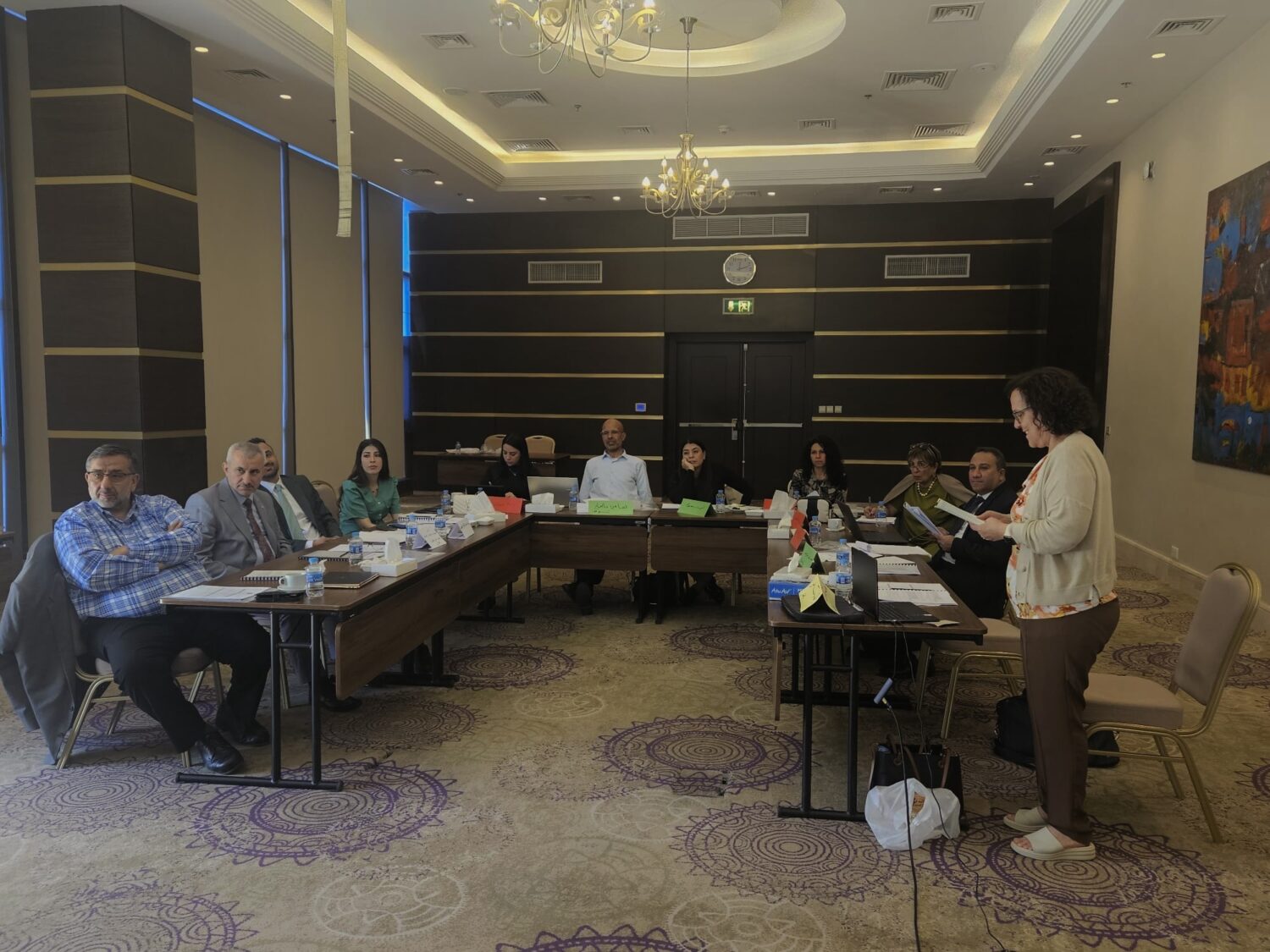
A validation panel from the MENA region was engaged to ensure that translations are sensitive to the local social, political, and cultural conditions. Once the translation and validation processes were completed, the recruitment of 600 participants in each of the three locations started. The target groups for the intervention are schoolteachers, professionals such as social workers, and university students. The study includes intervention and control groups to assess the program’s impact.
An international conference in the MENA region is planned, inviting experts from the United States, Europe, and other regions, (especially those five countries where REACH was implemented) to the Middle East to share their knowledge with stakeholders as well as to learn of the new insights and findings generated from the research and application in the MENA region. The conference also aims to engage researchers from Arab Universities in the three countries to raise awareness and enhance the levels of interest in the science of forgiveness.