Pathways to Forgiveness
Integrating Forgiveness Education in schools
Despite years of turmoil and ongoing societal recovery, formal education systems in the Arab world often do not have programs in place to teach interpersonal forgiveness and reconciliation. Many teachers lack the tools to respond to violence—whether it occurs in classrooms, communities, or online spaces—leaving students without structured support to navigate conflict peacefully. In response to this critical gap, Salam Institute has launched a groundbreaking initiative, supported by the Templeton Religion Trust (TRT). The project seeks to advance the integration of social and interpersonal forgiveness and reconciliation within Arab education systems, aiming to reduce violence and foster a culture of peaceful living.
Project Overview
The initiative supports the revision and development of forgiveness education guides tailored for ages 4-8 and 12-16. This effort builds on foundational work initiated in 2011, when a manual was first created and implemented in Jordan, Lebanon, and the West Bank. Both guides draw upon social forgiveness stories collected from across the Arab world, offering culturally grounded of forgiveness. They emphasize active learning and learner centered approaches to equip children with the skills needed to engage in forgiveness. Both manuals focus on supporting emotional intelligence, self-regulation, and constructive social interaction through peace education.
Who Will Benefit?
The new forgiveness guides are designed for teachers, counselors, social workers, and professional development trainers working within Arab education systems. Equipped with culturally grounded and practical tools, educators from Lebanon, Jordan, and Libya played a central role in co-designing and validating the activities to ensure relevance and resonance in their contexts. The guides address core themes such as emotional awareness, forgiveness and justice in Arab cultures, dialogue principles, and strategies for peaceful conflict resolution.
Pilot Implementation in Tunisia
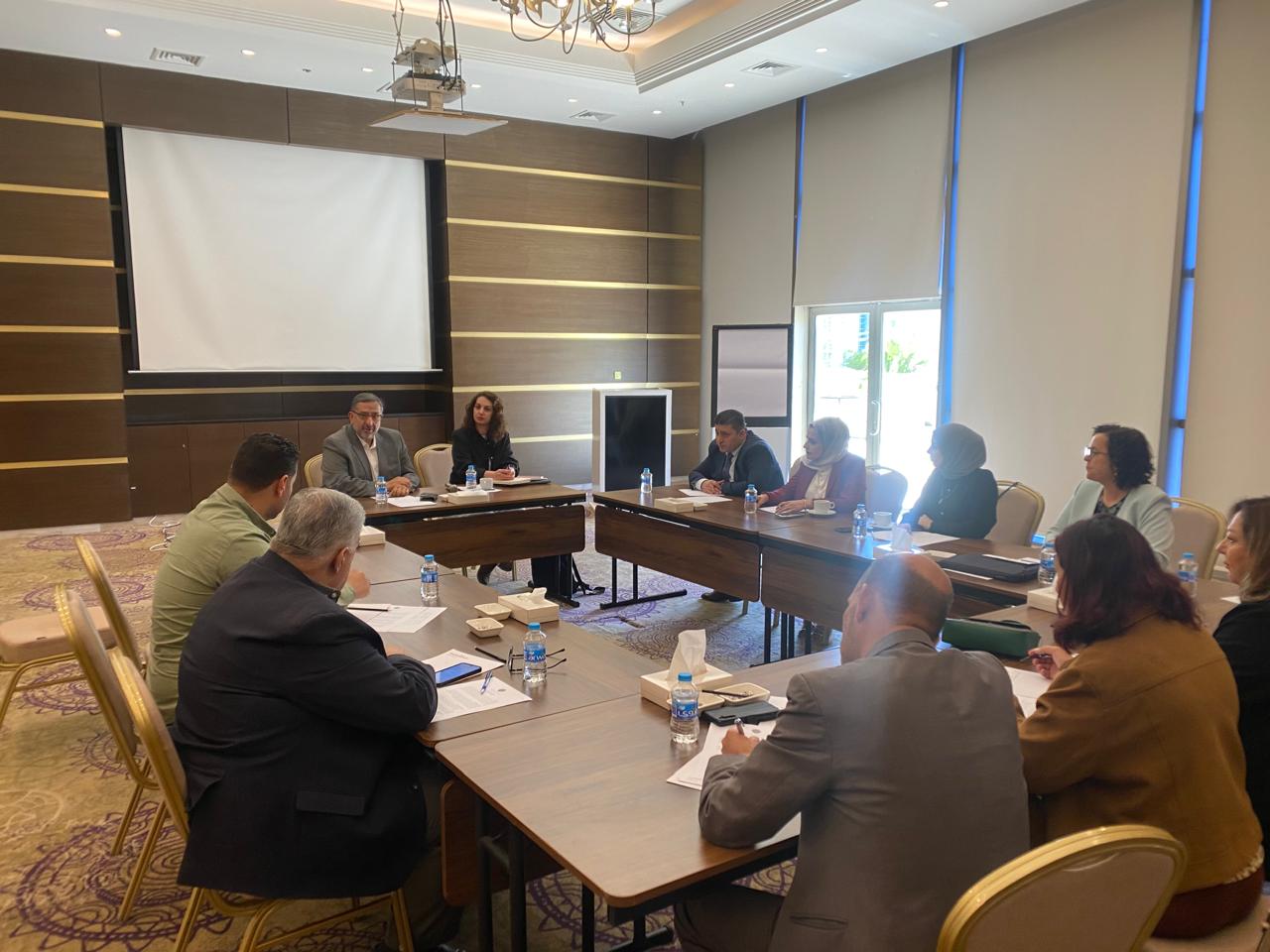
Between February and April 2026, Salam Institute implemented a pilot project in Tunisia to test the Pathways to Forgiveness Guides in educational settings. The project trained 25 teachers and school counselors and supported the delivery of forgiveness education activities with children and youth. The pilot demonstrated measurable improvements in participants’ attitudes toward forgiveness, empathy, and peaceful conflict resolution, while providing valuable lessons for future implementation across the region. Read the full pilot report here.
Story Bank
These stories serve as complementary materials and support resources that educators can use alongside the Pathway to Forgiveness Training Manual. The stories aim to help educators and trainers promote positive values such as community forgiveness, respect for others, conflict resolution through dialogue, and empathy. They are delivered through an engaging and meaningful storytelling style that students aged 4-8 and 12-16 can easily relate to and understand. Furthermore, these stories contribute to developing skills in expressing emotions, constructive communication, and problem-solving in a simple, child-friendly way.
These stories can be used as additional or complementary activities to the sessions included in the manual, whether for early childhood (4-8 years) or adolescents (12-16 years). This helps educators and trainers enrich their sessions with engaging and meaningful educational tools and enhances the educational experiences offered by the manual. These stories can also be used if the proposed manual stories do not meet the desired objectives in the local context; so, they are supplementary.
If you have a story you would like to share to be reviewed and added to the story bank, please send it to: ilham@salaminstitute.org
Educator Resources
After sharing stories that illustrate forgiveness in practice, Salam Institute also provides comprehensive educational guides to help teachers, trainers, and facilitators transform these values into meaningful learning experiences.
The Pathways to Forgiveness series combines storytelling with interactive activities, discussion questions, and evidence-informed educational approaches that support children and adolescents in developing empathy, emotional awareness, conflict resolution skills, and forgiveness.
The guides are available in both English and Arabic for two age groups (4-8 years old and 12-16 years old)
Pathways to Forgiveness
Trainer’s Guide (Ages 4–8)
Supports educators working with young children through stories, dialogue, interactive learning, and age-appropriate activities.
English Guide
Arabic Guide
Pathways to Forgiveness
Trainer’s Guide (Ages 12–16)
Supports educators working with young children through stories, dialogue, interactive learning, and age-appropriate activities.
English Guide
Arabic Guide