Building sustainable peace requires more than political agreements; it depends on the abilitisy of communities to rebuild trust, restore relationships, and create pathways for reconciliation after periods of conflict and division. Across the Arab region, local actors—including community leaders, civil society organizations, tribal mediators, women, and youth—have played a critical role in fostering dialogue and addressing grievances at the grassroots level.
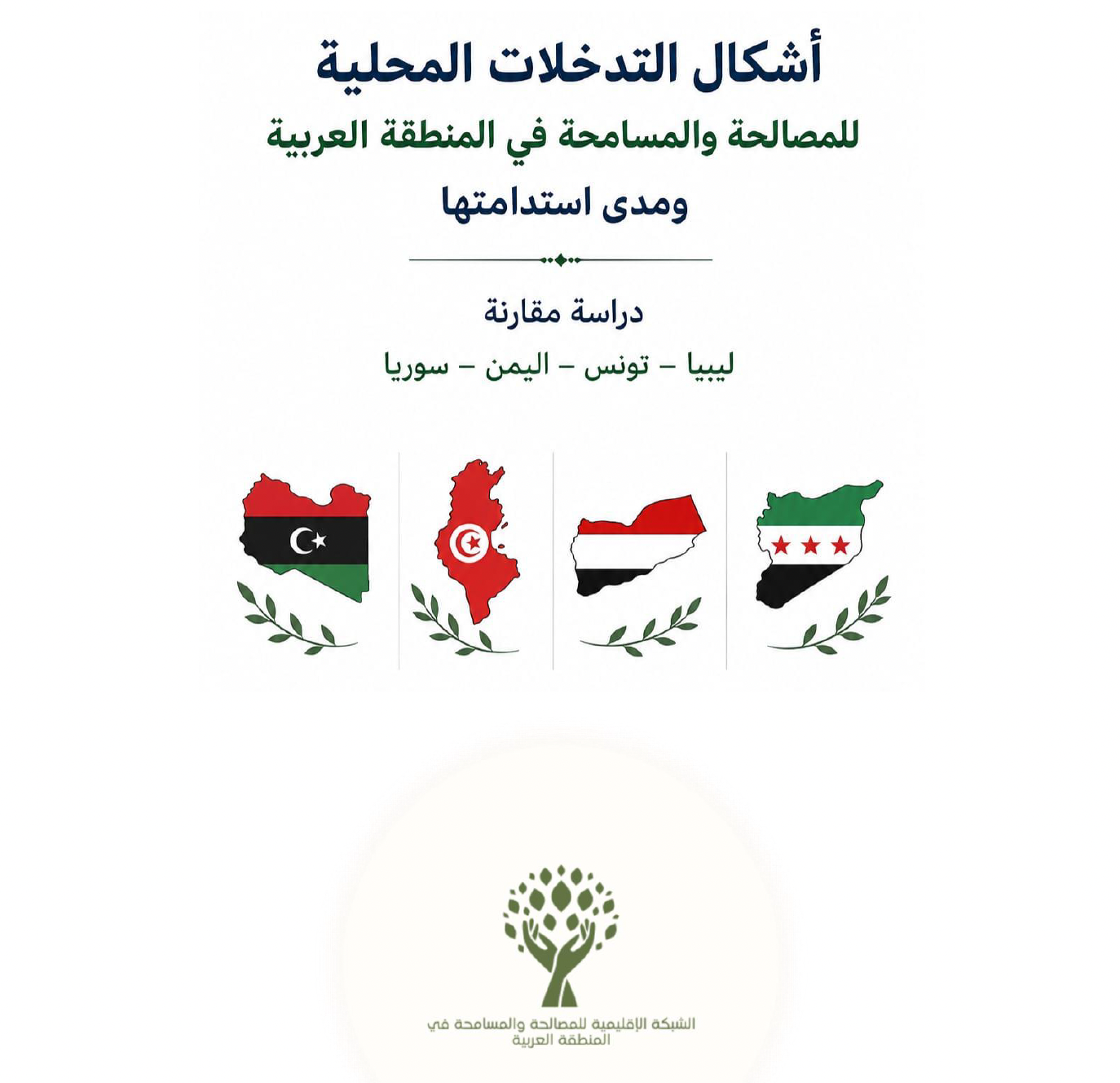
This knowledge paper presents a comparative analysis of local reconciliation and forgiveness interventions in Libya, Tunisia, Yemen, and Syria. Drawing on the experiences of peacebuilding practitioners and members of the Regional Network for Forgiveness and Reconciliation in the Arab Region, the study explores how reconciliation is understood in different contexts, the forms of local interventions that have emerged, the factors that contribute to their success, and the challenges that threaten their sustainability.
The paper highlights the importance of culturally grounded approaches, community ownership, inclusive participation, and institutional support in sustaining reconciliation efforts. It also offers practical recommendations for strengthening local peacebuilding initiatives and ensuring that reconciliation processes remain responsive to the needs and realities of affected communities.
The full paper is available below.